
What Is Pashmina?

What Is Pashmina? The World’s Rarest Cashmere Fibre
Introduction
Few fabrics carry the quiet reverence that surrounds pashmina. The word itself is often used loosely in modern fashion; printed across labels, shop signs, and online listings. Yet in many cases, it refers not to the fibre at all but simply to a style of scarf. In truth, pashmina is not a garment category. It is a material. And not merely a material, but one of the rarest natural fibres on earth.
Authentic pashmina wool originates in one of the most remote landscapes on the planet: the high Himalayan plateau of Ladakh. There, in an environment of fierce winds, searing ultraviolet light, and winters that plunge far below freezing, a small mountain goat produces an extraordinary under-fleece capable of insulating life itself against the cold.
For centuries this fibre has travelled from the mountains of Ladakh to the historic weaving centres of Kashmir, where it is transformed into the shawls and stoles that have come to define the word pashmina in the minds of many. But the finished garment is only the final chapter in a story that begins far earlier; with geography, climate, animal adaptation, and human craftsmanship refined over generations.
Understanding pashmina therefore means understanding the fibre itself: where it comes from, why it exists, and why it remains one of the most prized textiles ever produced.
The Meaning of the Word Pashmina
The word pashmina traces its roots to the Persian word pashm, meaning “fine wool” or “soft under-fleece.” For centuries this term referred specifically to the delicate down fibre collected from certain Himalayan goats. Over time the word evolved into pashmina, describing textiles woven from that particular fibre.
Historically the fibre moved along ancient trade routes connecting the Himalayan regions with Central Asia and the Indian subcontinent. By the Mughal period, pashmina shawls had become a celebrated luxury item among royalty and nobility. Mughal emperors prized them not only for their warmth but also for their extraordinary lightness and softness.
European travellers encountering these shawls in the eighteenth and nineteenth centuries brought them back to the West, where they became objects of fascination and status. The term “cashmere,” now widely used for fine goat fibres, itself derives from Kashmir: The historic centre where these shawls were woven.
Yet while cashmere has become a broad category describing fine goat wool from many regions, pashmina remains far more specific. It refers to the finest subset of that fibre, originating from the Changthangi goats of the Himalayan plateau.
The Changthangi Goat
At the heart of pashmina production is a remarkable animal: the Changthangi goat. This hardy breed inhabits the vast high-altitude plateau of Ladakh, a region often described as the “roof of the world.”
Altitudes here frequently exceed 4,000 metres above sea level. Winters are brutal. Temperatures can fall below –30°C, while the thin mountain air and intense sunlight create a landscape that is as harsh as it is beautiful.
To survive these conditions the Changthangi goat has developed a natural defence: an exceptionally fine undercoat that grows beneath its coarser outer hair. This downy layer acts as insulation against the extreme cold of the Himalayan winter.
It is this under-fleece, not the outer hair that becomes pashmina.
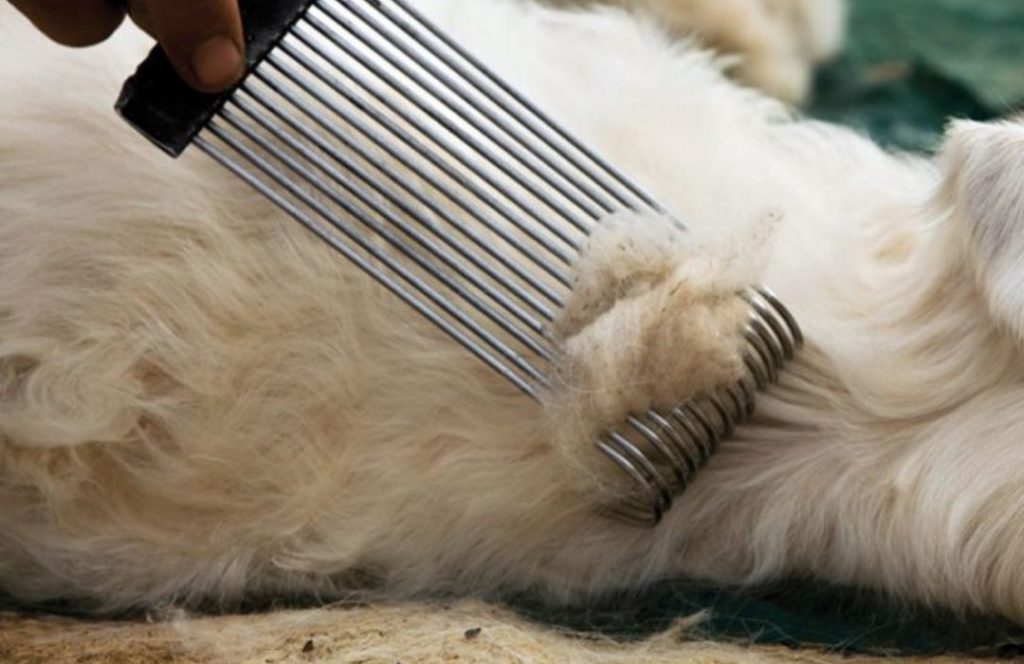
Unlike many commercial fibres harvested through shearing, pashmina is typically collected through combing during the goat’s natural moulting season in spring. As the weather begins to warm, the goats shed their winter undercoat. Herders gently comb the animals to collect the fibres, preserving both the welfare of the animal and the integrity of the fleece.
The pastoral communities who raise these goats, known as the Changpa nomads, have lived in harmony with this environment for centuries. Their seasonal migration patterns follow traditional grazing routes across the plateau, ensuring both the health of the herds and the sustainability of the fragile Himalayan ecosystem.

The Fibre Itself
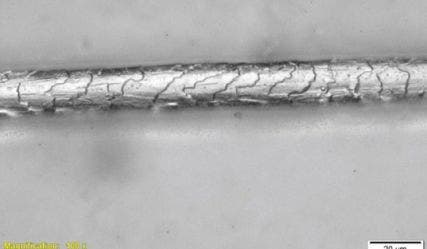
What makes pashmina exceptional lies in the extraordinary fineness of the fibre. Individual pashmina fibres typically measure between 12 and 16 microns in diameter. For comparison, human hair averages around 60–80 microns, while standard sheep wool often ranges between 25 and 40 microns.
Even among cashmere fibres, which are themselves prized for softness, pashmina sits at the very finest end of the spectrum.
This microscopic fineness produces several remarkable characteristics. The fabric feels exceptionally soft against the skin, free from the coarse sensation that can accompany heavier wool. At the same time the fibres trap air extremely effectively, creating natural insulation that provides warmth without bulk.
The result is a material that is simultaneously lightweight, breathable, and warm. A well-woven pashmina shawl can provide significant insulation while remaining almost weightless in the hand.
Equally important is the fibre’s natural resilience. Despite its delicate feel, pashmina fibres possess a subtle elasticity that allows the textile to drape gracefully and recover its shape over time. When handled and cared for properly, a pashmina garment can last for decades.

Harvesting Pashmina Fibre
The collection of raw pashmina fibre is a careful and labour-intensive process. Each Changthangi goat produces only a small quantity of usable fibre each year; often between 80 and 150 grams, after cleaning and processing.
When the winter coat begins to loosen in spring, herders gently comb the goats using traditional tools. The soft under-fleece separates naturally from the outer hair and is gathered by hand.
The raw fibre collected during this process contains a mixture of fine pashmina down and coarser guard hairs. Before it can be spun, the material must undergo a careful process known as dehairing. This stage separates the ultra-fine fibres from the thicker outer hairs.
Only after this cleaning process is complete does the fibre become suitable for spinning into yarn.
Given the small yield from each animal and the labour involved at every stage, it becomes clear why genuine pashmina remains a rare material. Large-scale industrial production simply cannot replicate the conditions required to produce the fibre in the first place.

Traditional Kashmiri Weaving
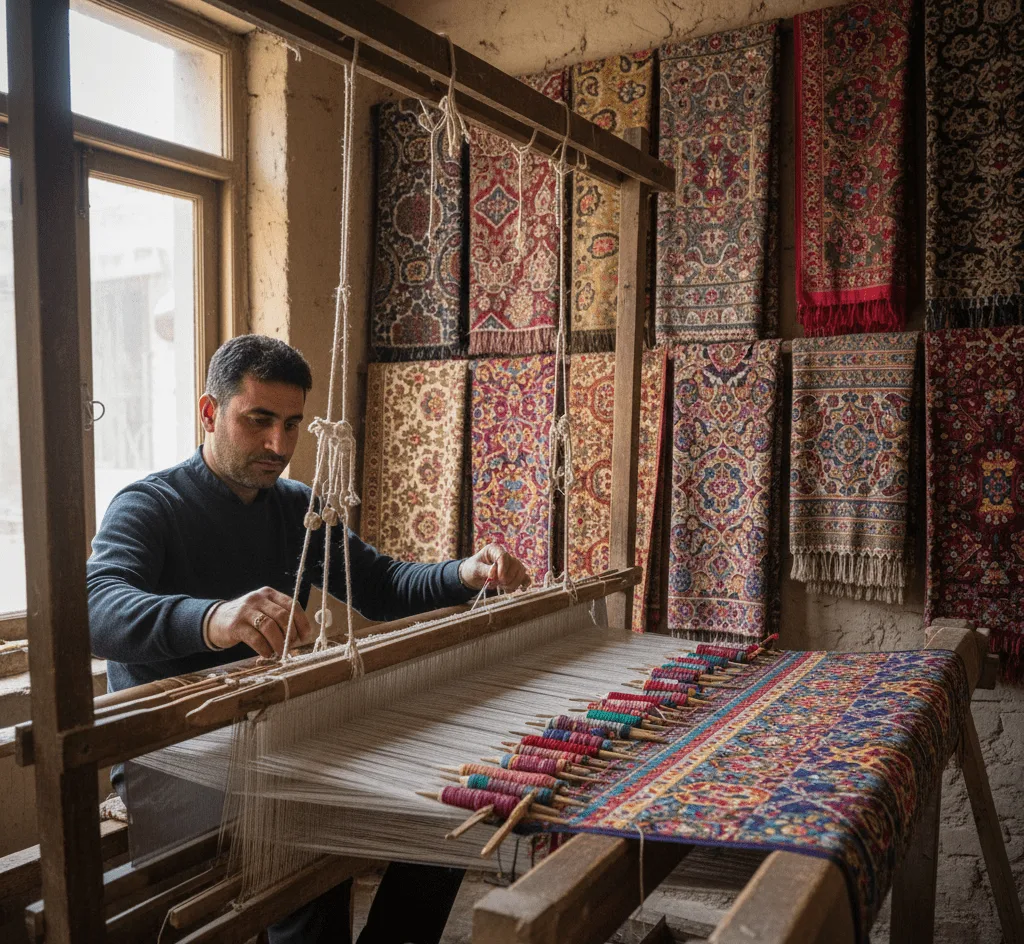
Once the fibre has been prepared, it traditionally travels from Ladakh to the historic weaving regions of Kashmir. Here the craft of transforming raw fibre into finished shawls has been refined over generations.
In many traditional workshops the yarn is still spun by hand. The process demands patience and remarkable skill, as the delicate fibres must be drawn and twisted into thread without breaking.
The weaving itself takes place on handlooms operated by skilled artisans. Each shawl may take days or even weeks to complete, depending on the complexity of the weave.
Certain historic weaving styles, such as the intricate Jamawar and Kani techniques, involve elaborate patterns built thread by thread. These methods represent some of the most sophisticated textile traditions in the world, combining artistry with technical mastery.
The finished textile carries not only the warmth of the fibre but also the heritage of the craftspeople who produced it.
Why Pashmina Is So Rare
Several factors contribute to the rarity of authentic pashmina.
First is geography. The Changthangi goat thrives only in the high-altitude climate of the Himalayan plateau. Attempts to replicate these conditions elsewhere have rarely succeeded, meaning the natural supply of fibre remains geographically limited.
Second is yield. Each animal produces only a small quantity of fibre each year, and not all of it meets the standards required for fine weaving.
Third is the labour involved throughout the process. From the careful combing of the goats to the dehairing, spinning, and weaving, each stage requires skilled human involvement.
Finally there is the time required to transform raw fibre into a finished textile. Unlike industrial fabrics that can be produced rapidly at scale, traditional pashmina shawls are the result of slow craftsmanship.
Taken together, these factors ensure that genuine pashmina remains one of the most exclusive fibres in the world.
Browse our collection of the worlds rarest fabric.
Conclusion
Pashmina is far more than a soft scarf or shawl. It is the product of a remarkable natural and cultural ecosystem that begins high in the mountains of Ladakh and culminates in the weaving traditions of Kashmir.
The fibre exists because of an extraordinary animal adapted to one of the planet’s harshest environments. It is harvested through careful seasonal practices developed by nomadic herders. It is spun and woven by artisans whose knowledge has been passed down through generations.
This combination of geography, biology, and craftsmanship explains why authentic pashmina continues to occupy a unique place among luxury textiles.
Understanding what pashmina truly is allows us to appreciate not just the finished garment, but the long journey of fibre, landscape, and human skill that brings it into existence.
Discover more about the differences between Pashmina and other fine wool such as Cashmere


