
Pashmina vs Wool: Which Is Warmer and Better for Cold Weather?

Warmth is often the first consideration when choosing a textile for colder climates. Whether selecting a scarf, shawl, or coat, the ability of a fabric to retain heat while remaining comfortable is what ultimately defines its practicality. Among natural fibres, wool has long been regarded as the standard for warmth. Yet pashmina, often described as the finest form of cashmere, is frequently said to offer even greater insulation.
This raises a natural question: is pashmina actually warmer than wool, or is its reputation driven purely by its softness and luxury appeal?
Is pashmina warmer than wool?
Yes, pashmina can be warmer than wool when comparing weight. Pashmina fibres are finer (12–16 microns), allowing them to trap heat more efficiently while remaining lightweight, whereas wool relies on thicker fibres and density for insulation.
The answer lies not simply in thickness or weight, but in the structure of the fibres themselves. Warmth is determined by how a material interacts with air, how it traps heat, and how it behaves when worn. By examining these factors, the differences between pashmina and wool become clear.
To understand the fibre in more depth, read our guide on what pashmina is.

What Makes a Fabric Warm?
Before comparing materials directly, it is important to understand what creates warmth in a textile.
Warmth is not generated by the fabric itself but by the air it traps. Natural fibres create small pockets of air within their structure. These pockets act as insulation, slowing the transfer of heat away from the body.
Several factors influence this process:
- fibre diameter
- density of the weave
- ability to trap air
- breathability
A fibre that is able to trap more air efficiently will generally provide greater insulation, even if it is lighter in weight.
Why Wool Is Warm
Wool is obtained from sheep and has been used for centuries as a reliable insulating material. Its fibres are relatively thick compared to finer luxury fibres, often ranging between 25 and 40 microns in diameter.
One of wool’s defining characteristics is the crimp in its fibres, a natural wave that helps create pockets of air when the fibres are spun and woven. This structure contributes to its insulating properties, making wool effective at retaining heat.
However, the thickness of the fibres can also create a coarser texture. In some cases, this leads to a sensation of itchiness when worn directly against the skin.
Wool performs well in cold conditions, particularly in heavier garments, but its warmth is often associated with density and bulk.

Check out Muji's great range of merino wool scarves.
Why Pashmina Is Warmer Than Wool
Pashmina, by contrast, is derived from the ultra-fine undercoat of the Changthangi goat. Its fibres are significantly thinner, typically measuring between 12 and 16 microns.
Despite their fineness, these fibres are highly effective at trapping air. Their structure allows them to create a dense network of insulating pockets without adding weight.
Because the fibres are so fine, pashmina fabrics tend to feel lighter and more flexible. This allows the material to drape closely to the body, reducing gaps where heat could escape.
The result is a textile that provides warmth in a different way; not through thickness, but through efficiency.
Pashmina vs Wool: Warmth Comparison
Quick Comparison: Pashmina vs Wool Warmth
| Feature | Pashmina | Wool |
|---|---|---|
| Fibre diameter | 12–16 microns | 25–40 microns |
| Warmth-to-weight ratio | Very high | Moderate |
| Weight | Lightweight | Heavier |
| Skin feel | Soft and non-irritating | Can be itchy |
| Breathability | High | Moderate |
| Insulation method | Fine fibre air trapping | Bulk and density |
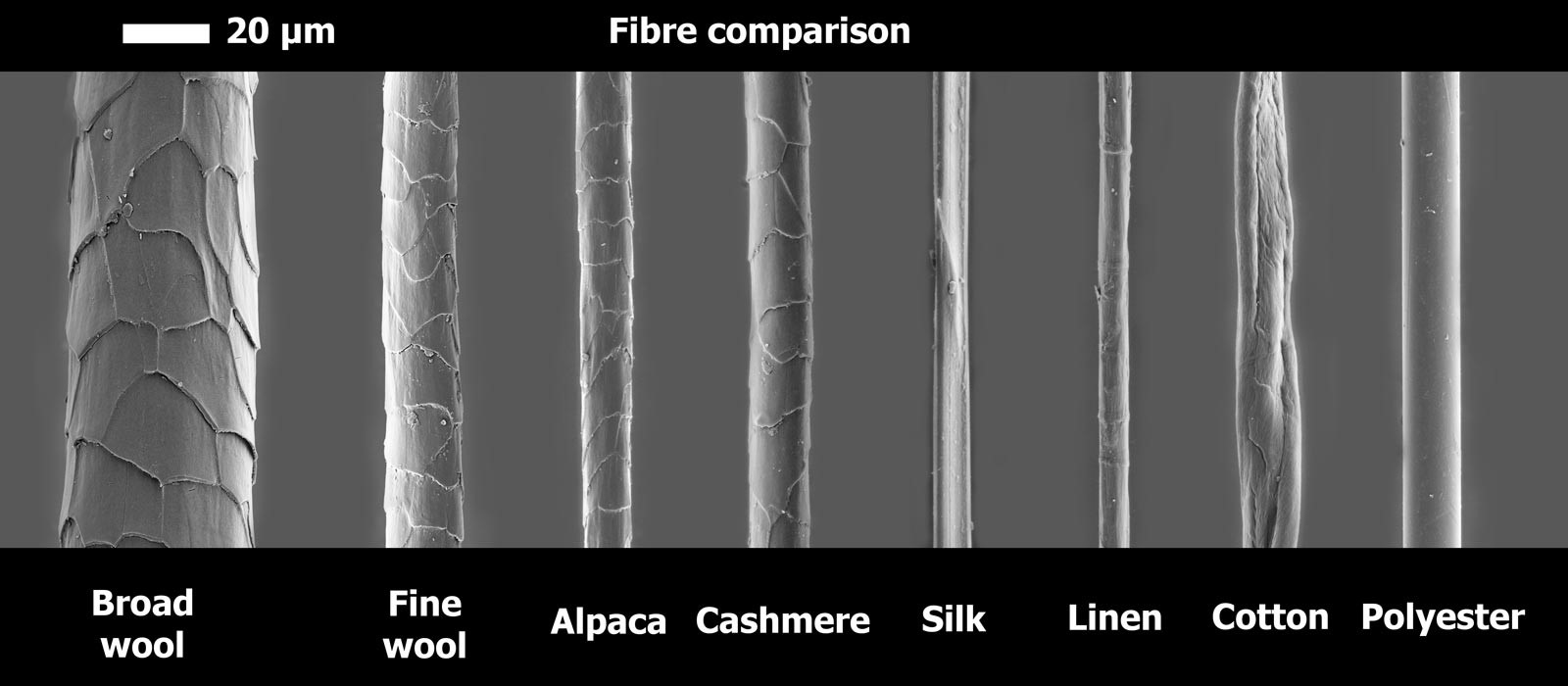
Read more about fibre comparisons in Alpbocks fabulous comparative article
Is Pashmina Warmer Than Wool?
When comparing pashmina and wool, the answer depends on how warmth is measured.
In absolute terms, a thick wool garment may provide significant insulation simply due to its density. However, when considering warmth relative to weight, pashmina often performs more efficiently.
A lightweight pashmina shawl can provide comparable warmth to a much heavier wool garment. This is due to the fibre’s ability to trap air effectively while remaining thin and flexible.
Additionally, pashmina’s ability to sit close to the body enhances its insulating properties. By reducing gaps between the fabric and the skin, it minimises heat loss.
For this reason, pashmina is often perceived as warmer despite its lightness.
Explore refined pieces in our pashmina collection.
Breathability and Temperature Regulation
Warmth alone does not determine comfort. A fabric that traps too much heat can feel stifling, particularly when moving between different environments.
Pashmina excels in this regard due to its breathability. The fine fibres allow air to circulate, helping regulate temperature rather than simply trapping heat.
Wool also offers breathability, but its heavier structure can make it feel less adaptable in changing conditions.
This difference is particularly noticeable when wearing the fabric indoors after being outside in the cold. Pashmina tends to adjust more naturally, while wool may retain heat more aggressively.
Comfort Against the Skin
Another important factor is how the material feels when worn directly against the skin.
The coarse fibres of some wool garments can create irritation, especially for those with sensitive skin. This is not a flaw of wool itself, but a result of fibre thickness.
Pashmina, with its ultra-fine fibres, avoids this issue. Its softness allows it to be worn comfortably without layering, making it suitable for both warmth and comfort.
This combination of softness and insulation contributes to its reputation as a luxury textile.
Practical Use: When to Choose Each
Both pashmina and wool have their place, depending on the context.
Wool is well suited to heavy outerwear, blankets, and garments designed for prolonged exposure to cold conditions. Its durability and density make it a practical choice for rugged use.
Pashmina, on the other hand, is ideal for situations where warmth and refinement are equally important. A pashmina shawl can provide insulation without bulk, making it suitable for layering, travel, and more formal settings.
The choice between the two is therefore not simply about warmth, but about how that warmth is delivered.
Conclusion
Pashmina and wool both offer effective insulation, but they achieve it in different ways.
Wool relies on thickness and density, creating warmth through bulk. Pashmina achieves warmth through efficiency, using ultra-fine fibres to trap air while remaining light and flexible.
When comparing warmth relative to weight, pashmina often provides superior performance. It delivers insulation without heaviness, combining comfort with practicality.
Understanding these differences allows for a more informed choice — one that considers not only how warm a material is, but how it feels and functions when worn.
Compare fibres further in our cashmere vs pashmina guide.
Frequently Asked Questions
Is pashmina warmer than wool?
Yes, pashmina offers better warmth relative to weight due to finer fibres.
Is wool warmer than cashmere?
Not necessarily — cashmere and pashmina can provide more efficient insulation.
Can pashmina be worn in winter?
Yes, pashmina is ideal for winter due to its high warmth-to-weight ratio.
Experience warmth without weight in the Sylvért pashmina collection.


